
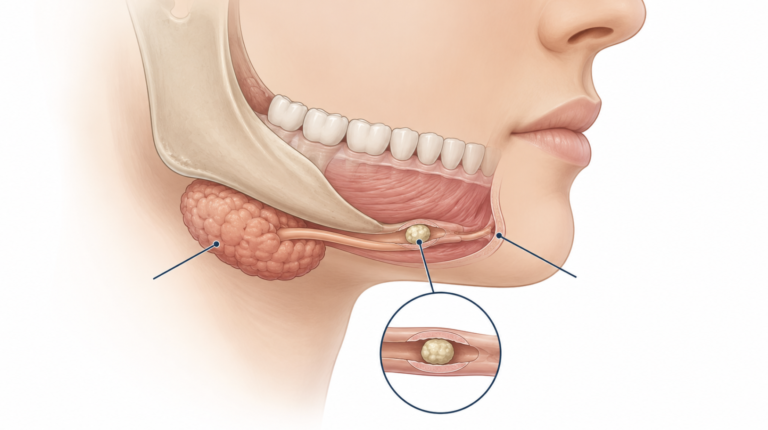
Salivary Gland Stones: Pass on Their Own or Surgery?
Not every salivary gland stone needs surgery, and not every stone will pass on its own. Here is how to tell the difference, and what gland-preserving treatment can now offer.
Not every salivary gland stone needs surgery, and not every stone will pass on its own. Here is how to tell the difference, and what gland-preserving treatment can now offer.
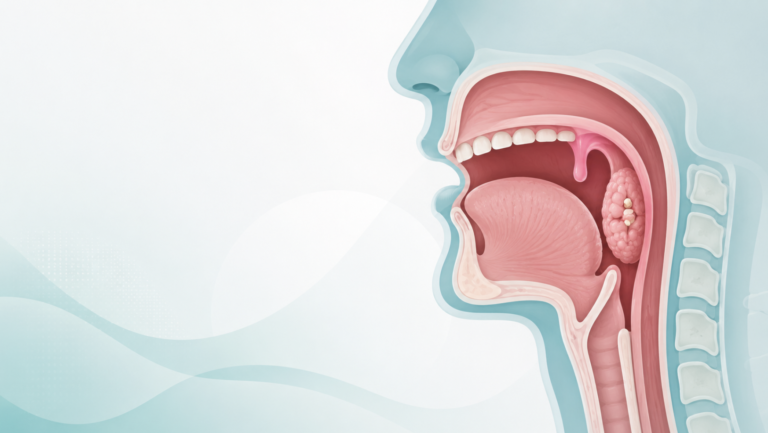
Wondering whether tonsil stones need surgery? Here’s what gargling and self-removal can realistically do, the less-invasive options, and the point at which tonsillectomy actually becomes worth considering.
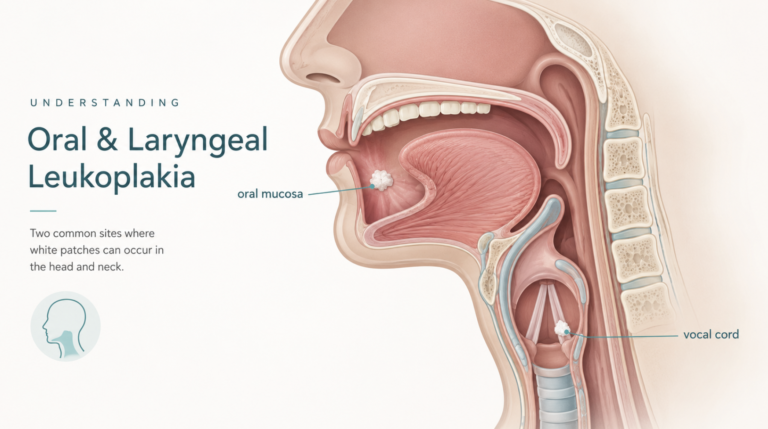
A white patch in your mouth or on your vocal cord that will not wipe off may be leukoplakia. Here is how doctors decide which patches are harmless and which carry real cancer risk.
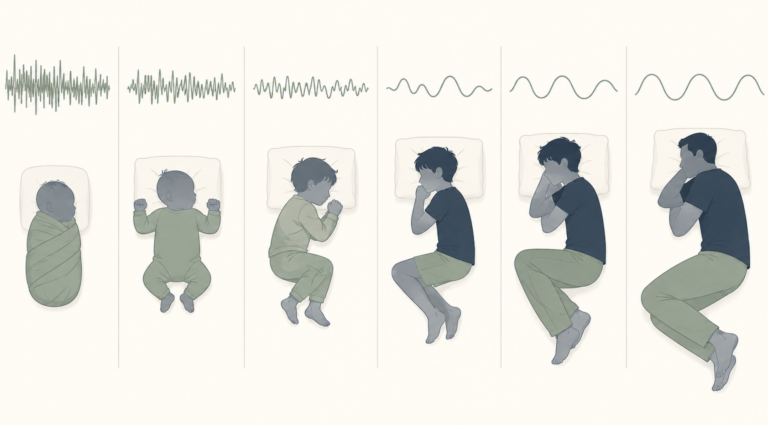
A clinical guide to how sleep cycles by age change from newborn to adult — and the ENT problems that can disrupt them along the way.
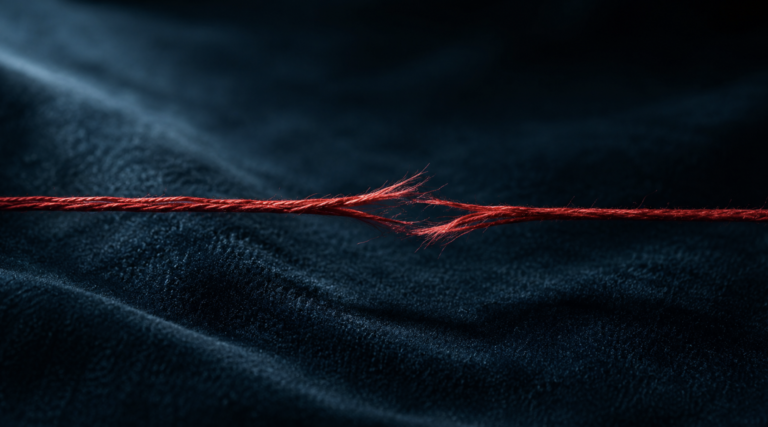
The Grey’s Anatomy scene where Nick Hanscom dies of carotid blowout syndrome was haunting — and medically accurate. An ENT surgeon explains the disease, its three types, and why every head and neck specialist carries a quiet fear of it.
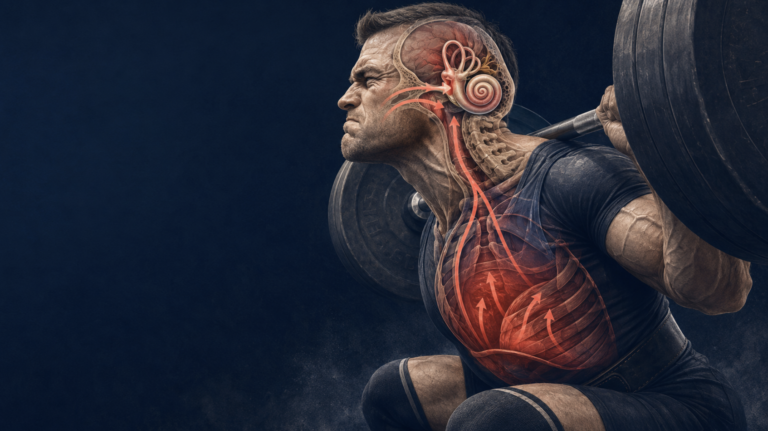
A maximal squat or deadlift can do something most lifters never expect — rupture an inner-ear window. The explosive mechanism, the red flags to recognize, and what return-to-lifting actually looks like after a perilymphatic fistula from weightlifting.

The relationship between music genre and hearing loss is closer than most people realize. An ENT specialist compares classical, ballad, hip-hop, and EDM — and explains which genres put your ears most at risk.

Sudden, brief stabbing ear pain with no other symptoms? An ENT explains primary stabbing otalgia — a benign and surprisingly common pattern — how to recognize it, what it isn’t, and the red flags that actually warrant evaluation.
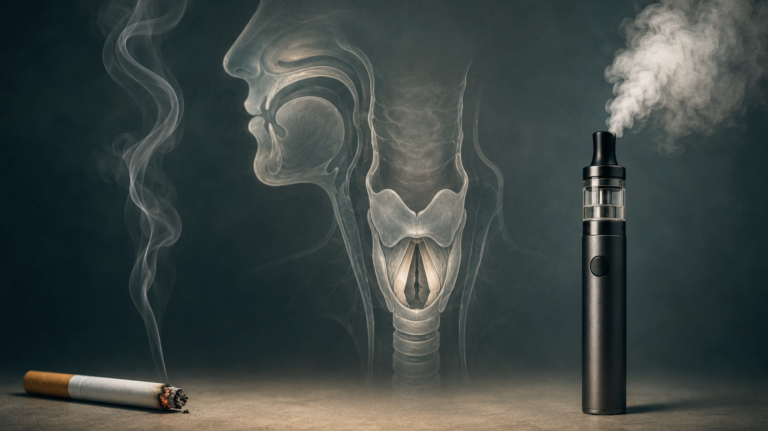
Fifteen years of e-cigarette data is enough to reveal upper-airway damage but too short to assess cancer risk. Here’s what the long-term effects of vaping look like compared with smoking — stratified by what’s confirmed, signaled, and unknown.

That morning-after spinning has a name and a mechanism. An ENT breaks down why the room spins when you’re drunk — and what actually helps it stop faster than time alone.