
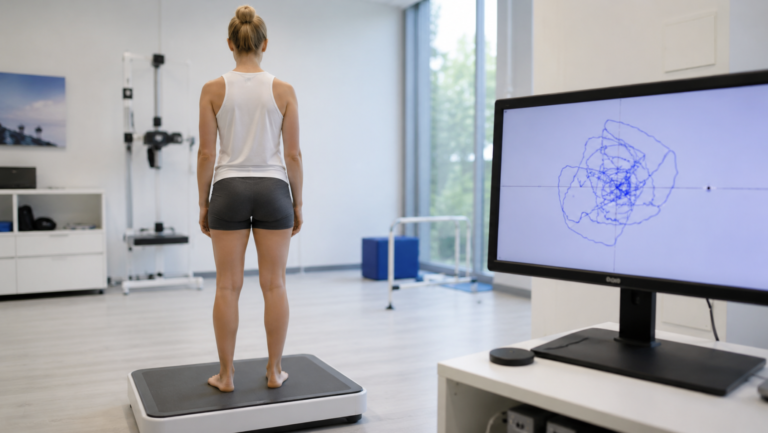
Computerized Stabilometry: How a Force Plate Reads Balance
Computerized stabilometry turns the tiny sway of standing still into objective numbers — here is how the force-plate test works and when it adds what caloric and VNG testing cannot.
Computerized stabilometry turns the tiny sway of standing still into objective numbers — here is how the force-plate test works and when it adds what caloric and VNG testing cannot.

A practical guide to cancer of unknown primary — why the origin so often stays hidden, what the prognosis actually depends on, and how an ENT traces a neck lump back to its source.

Not all child snoring is the same. Here’s how to tell when child snoring is not normal — the age-by-age warning signs from infancy to adolescence

Vestibular neuritis brings on sudden, day-long vertigo with no hearing loss — and the first job is making sure it isn’t a stroke. Here’s what causes it, how it’s diagnosed, and what recovery realistically looks like.
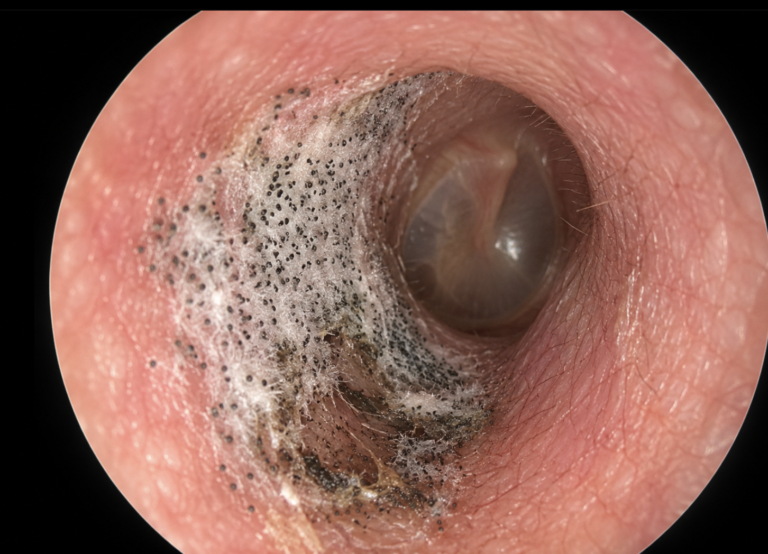
Black specks or creamy-white debris in the ear can both mean otomycosis. Here’s how an ENT reads the color clues, treats the infection, and keeps it from returning.

An ENT physician unpacks the antivirals vs. antibiotics question: why antibiotics treat many infections, antivirals only specific viruses, and why building one antiviral for every virus is so hard.

Your tongue only detects five tastes — the rest is smell. An otolaryngologist breaks down the role of smell in flavor, the retronasal “back door,” and why a stuffy nose makes everything taste like cardboard.

Not sure whether the Japanese encephalitis vaccine applies to you or your child? Here are the childhood and adult schedules, the real risk groups, and what a warming climate has to do with it.

Ear and sinus barotrauma is why landings and dives hurt your ears — here’s what actually prevents it, and whether to reach for a pill, a spray, or neither.

A practical, evidence-based guide to the three objective hearing tests—OAE, ABR, and ASSR—covering when each one is indicated, what it can and cannot measure, and how clinicians combine them.