
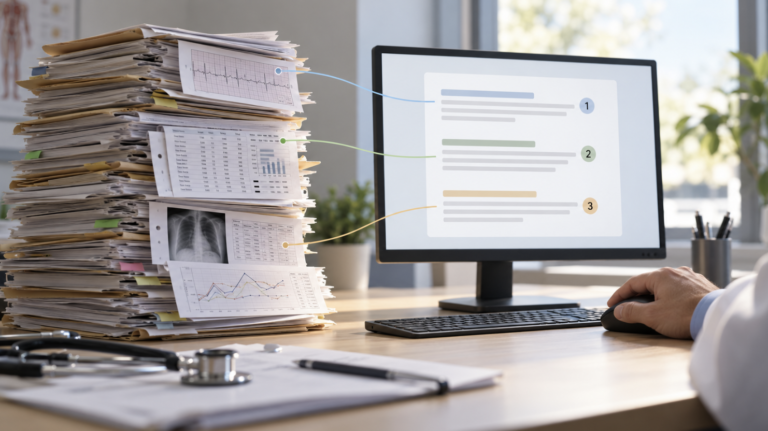
Claude for Healthcare: What AI Chart Summaries and Prior Auth Tools Really Do
Claude for Healthcare promises relief from charts and prior authorization forms. The progress is real, and narrower than the headlines.
Claude for Healthcare promises relief from charts and prior authorization forms. The progress is real, and narrower than the headlines.
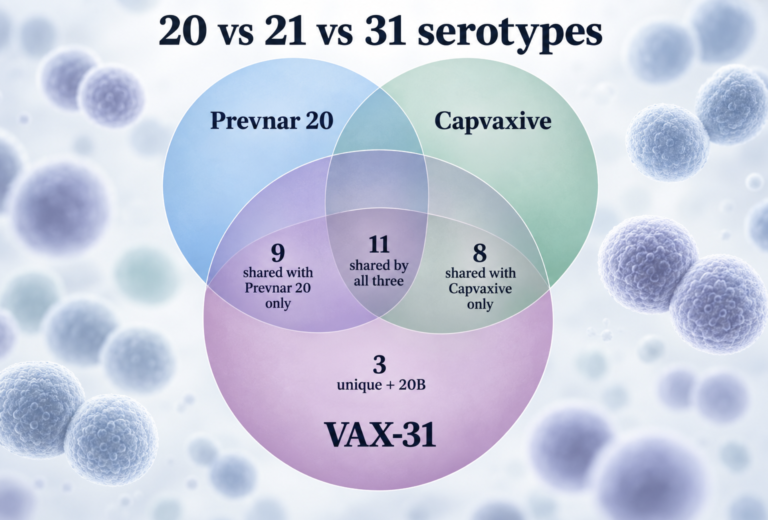
The VAX-31 pneumococcal vaccine covers more serotypes than any rival. What that proves, what it does not, and why markets reacted so sharply.
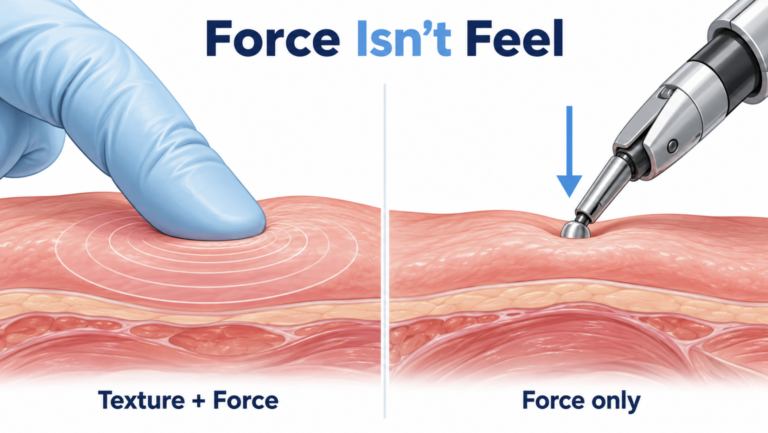
Surgeons learn to tell a tumor by its firmness. Here is how far tactile feedback in robotic surgery has come, and why machines still can’t feel what hands know.

Boston Scientific’s August 2026 medical device cyberattack compromised no implanted device, yet still reached operating rooms. Three mechanisms explain how — and why our measurement systems cannot see any of them.
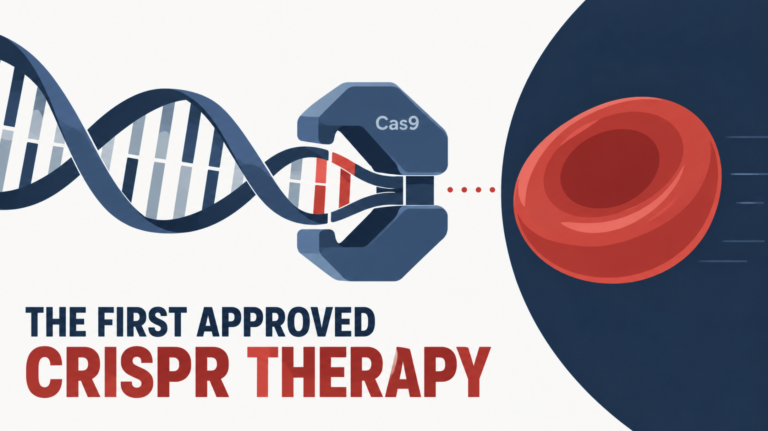
Three years after the first approved CRISPR therapy reached the market, there are numbers instead of predictions. Only 64 patients received Casgevy in all of 2025 — even as 90% of eligible U.S. patients gained reimbursed access. The gap between approval and arrival is where the real work sits.
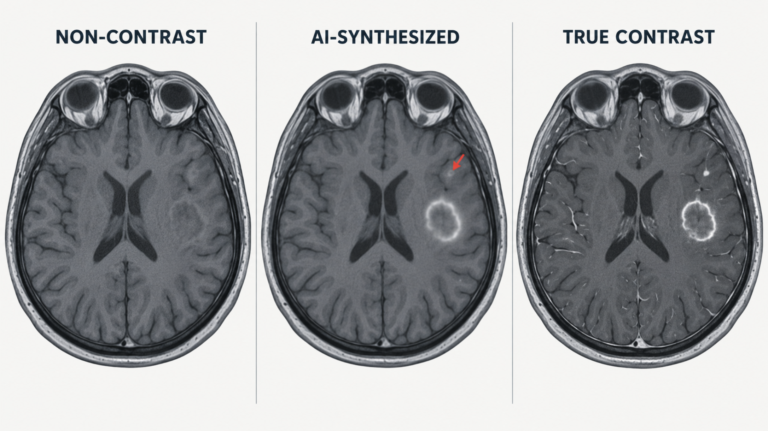
Radiologists judged AI virtual contrast enhancement interchangeable with real
full-dose scans 55% of the time at a 10% contrast dose — and 3% at zero dose. Why that gap won’t close by collecting more data.
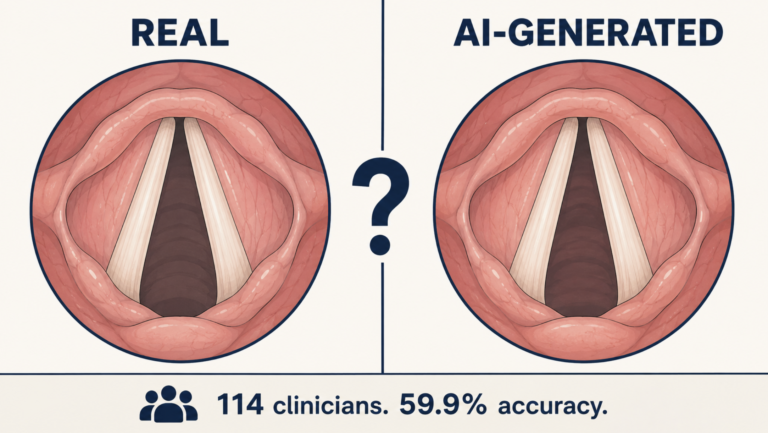
When 114 clinicians were asked to separate AI-generated laryngoscopy images from authentic ones, they recognized the real frames far more reliably than they caught the fakes. A look at what that gap does — and does not — tell us about synthetic medical imaging.
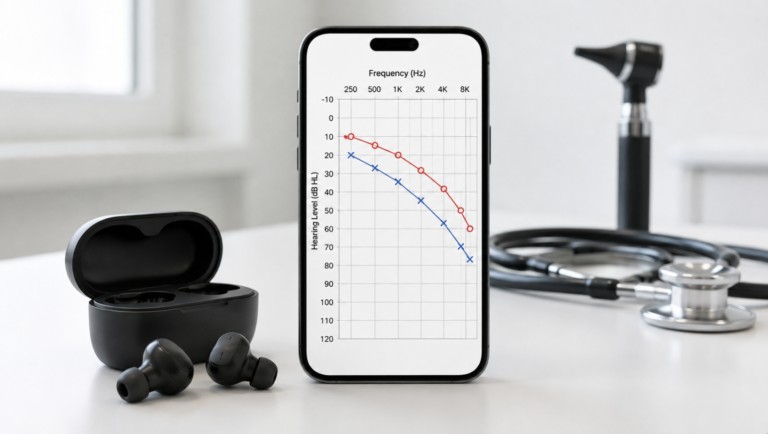
The Galaxy Buds Hearing Aid feature cleared the FDA in August 2026, but Samsung has not announced a Korean launch — while Apple’s equivalent has held Korean approval since July 2025. An ENT walks through what the clearance actually covers, and what a five-minute self-test cannot tell you.
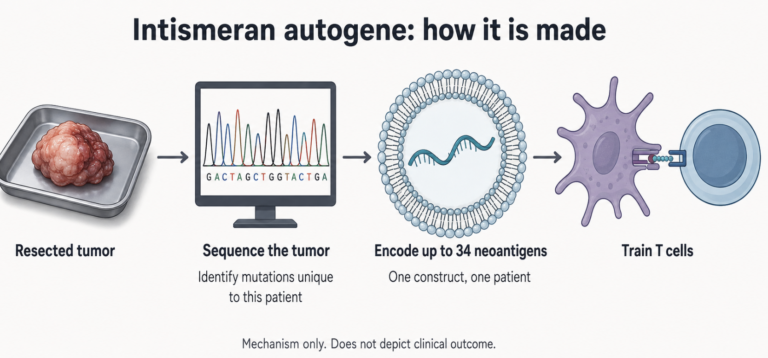
The first positive Phase 3 for an mRNA cancer therapy is real. Reading intismeran autogene’s result requires separating what was announced from what was shown.
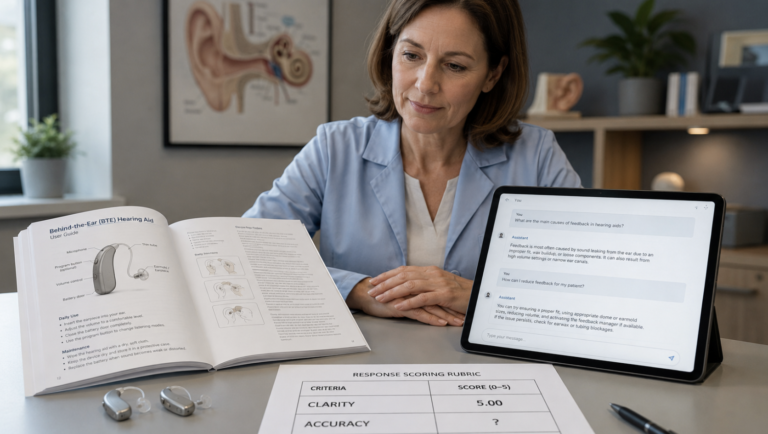
hree audiologists scored ChatGPT hearing aid advice against official manufacturer manuals across 44 everyday questions. Both models were perfectly clear. Only one was reliably accurate — and users cannot tell the difference