How a Deviated Septum Is Diagnosed in 2026: AI’s Role
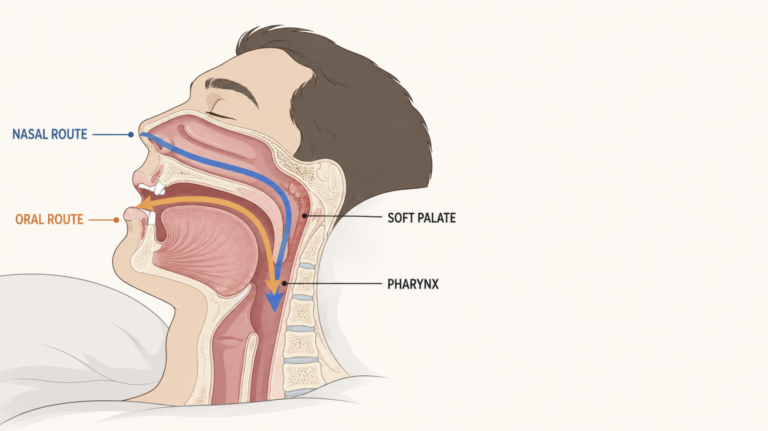
Most diagnoses of a deviated septum still come from a physical exam, not a CT scan. Here’s how it actually works in 2026 — and where AI is starting to change the answer.
A clinical guide to how sleep cycles by age change from newborn to adult — and the ENT problems that can disrupt them along the way.
Acetaminophen and NSAIDs are dispensed interchangeably, but they don’t share a mechanism, a toxicity profile, or the same duration of action. An evidence-led look at what combination buys, what it costs, and when each drug truly wears off.
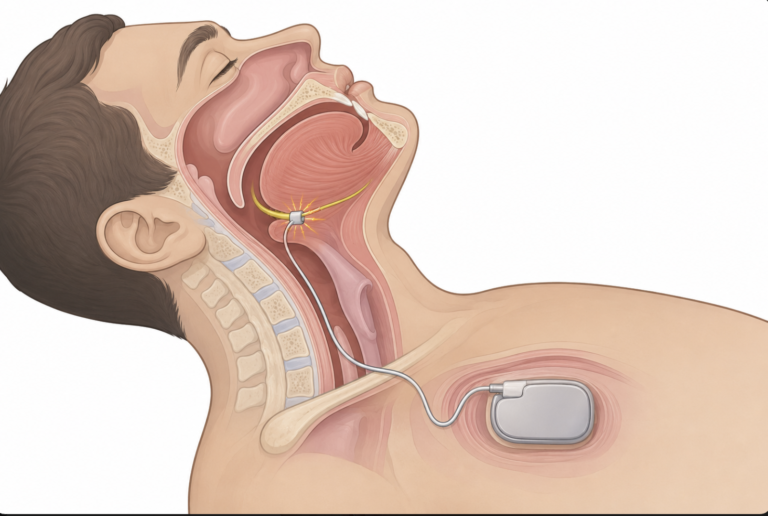
Neuralink VOICE returned a single sentence to an ALS patient who had not spoken in four years. The reason that sentence was speech, rather than restored sight or hearing, reveals more about brain-computer interfaces than the headlines did.
The Grey’s Anatomy scene where Nick Hanscom dies of carotid blowout syndrome was haunting — and medically accurate. An ENT surgeon explains the disease, its three types, and why every head and neck specialist carries a quiet fear of it.
A maximal squat or deadlift can do something most lifters never expect — rupture an inner-ear window. The explosive mechanism, the red flags to recognize, and what return-to-lifting actually looks like after a perilymphatic fistula from weightlifting.
The relationship between music genre and hearing loss is closer than most people realize. An ENT specialist compares classical, ballad, hip-hop, and EDM — and explains which genres put your ears most at risk.
Sudden, brief stabbing ear pain with no other symptoms? An ENT explains primary stabbing otalgia — a benign and surprisingly common pattern — how to recognize it, what it isn’t, and the red flags that actually warrant evaluation.
Fifteen years of e-cigarette data is enough to reveal upper-airway damage but too short to assess cancer risk. Here’s what the long-term effects of vaping look like compared with smoking — stratified by what’s confirmed, signaled, and unknown.
That morning-after spinning has a name and a mechanism. An ENT breaks down why the room spins when you’re drunk — and what actually helps it stop faster than time alone.