
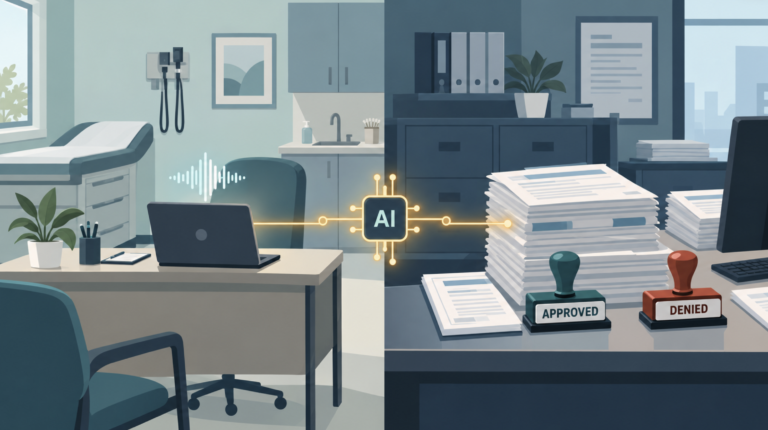
Healthcare AI: Faster Notes, Faster Claims, and the Patient Question In Between
Healthcare AI at UnitedHealth’s Optum is giving doctors time back. Whether it helps patients, or speeds up denials, is still unproven.
Healthcare AI at UnitedHealth’s Optum is giving doctors time back. Whether it helps patients, or speeds up denials, is still unproven.
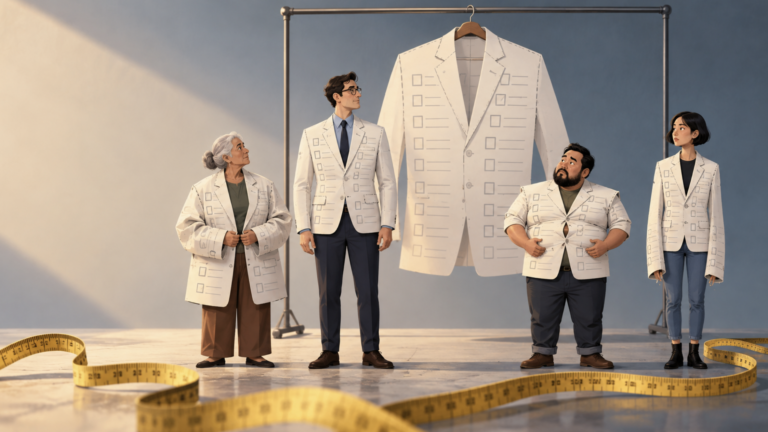
Medical questionnaires rarely fail because they are subjective. They fail when they are not fitted to the patient answering them.
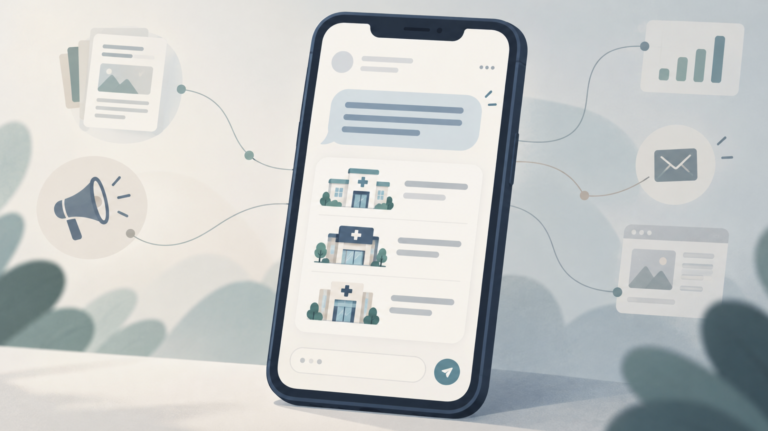
AI doctor recommendations arrive sounding like a friend’s advice. Behind them sits a fast-growing market built to shape what the machine says.
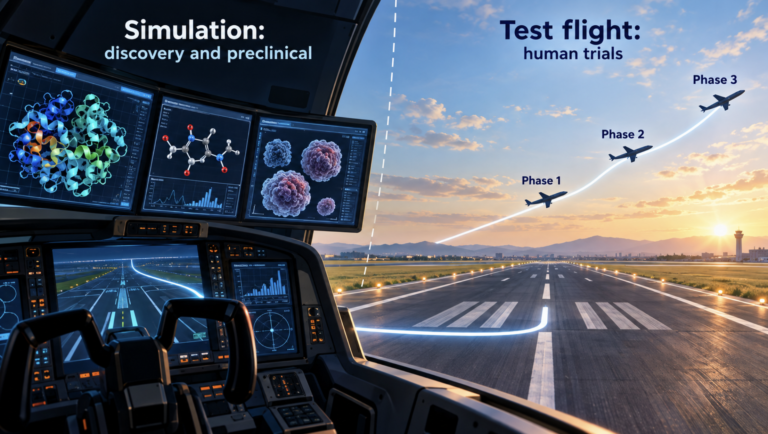
AI clinical trials are not what the headlines suggest: AI is reshaping drug discovery and animal testing, while human trials remain the final proof.
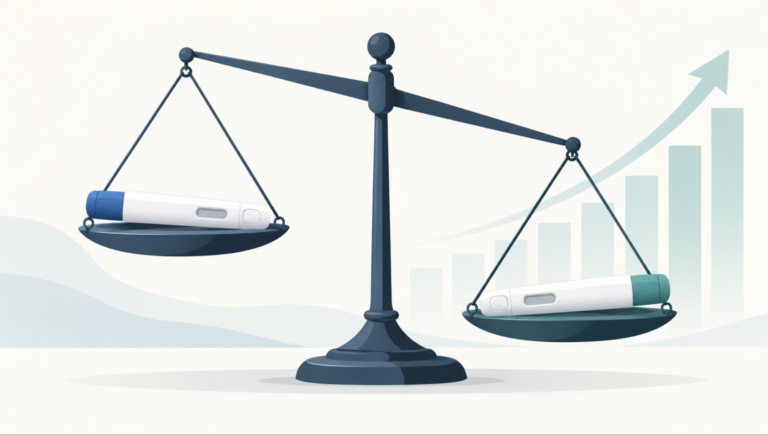
Novo Nordisk vs Eli Lilly: how the company that built the obesity-drug market lost its lead to a stronger molecule, bigger factories and cheaper access.
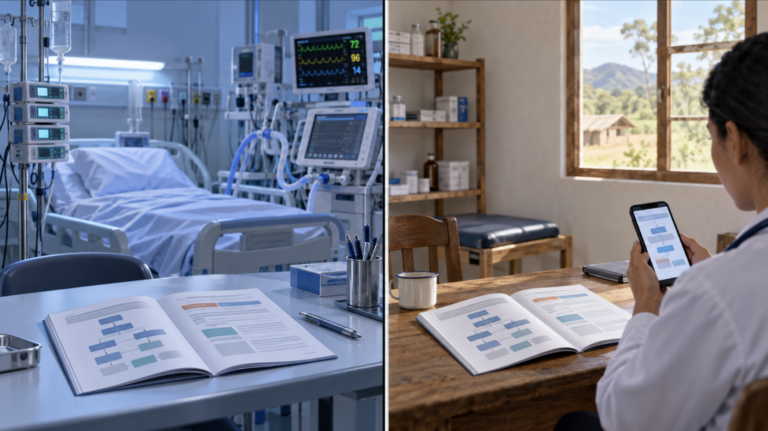
AI clinical decision support could fit medical evidence to each clinic’s reality, but only if it can see what that reality is.

Peter Thiel called biotech investment random and wasteful. A decade of biotech R&D productivity data tests whether he was right.

OpenEvidence has become the AI tool American doctors reach for first. It makes evidence-based medicine faster; whether it makes it better is still unproven.
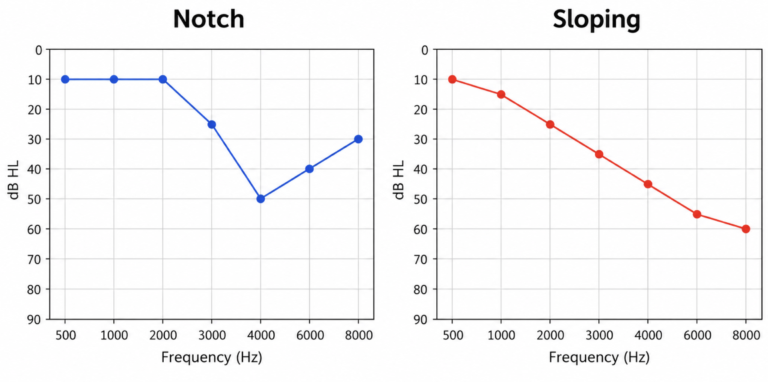
The 4 kHz notch is taught as the signature of noise-induced hearing loss. Its physics is incomplete and age erases it.
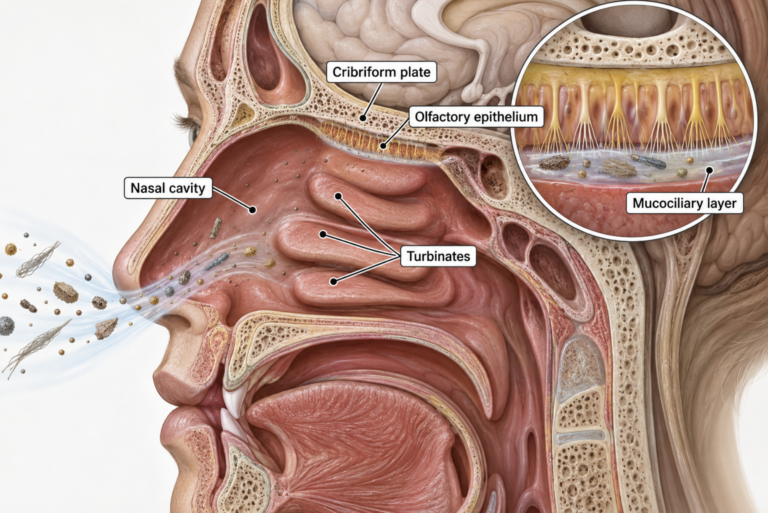
Microplastics in the upper airway have been found in nasal fluid, the thyroid, and the olfactory bulb. An ENT surgeon separates what is confirmed from what is still guesswork.