
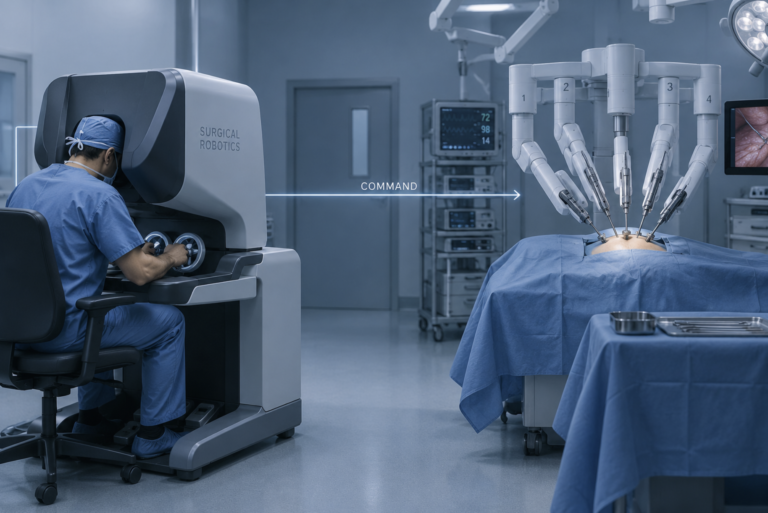
Robotic Surgery Is Not AI Surgery: What Changes When Machines Begin to Decide
Robotic surgery moved the surgeon’s hands, not the surgeon’s judgment. That distinction explains both the criticism and what artificial intelligence would actually change.
Robotic surgery moved the surgeon’s hands, not the surgeon’s judgment. That distinction explains both the criticism and what artificial intelligence would actually change.

Why skipping antibiotic doses matters more for some drugs than others, and why the most recommended antibiotics are the hardest ones to take correctly.

Korea ended its COVID alert after 2,378 days. Asking whether COVID is over in 2026 has two true answers — and the gap between them matters.
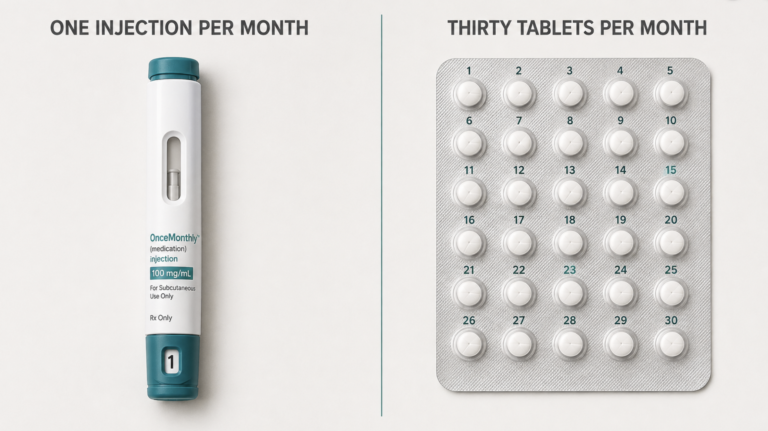
A monthly injection for hot flashes moved a step closer in August 2026, when an investigational antibody cut moderate-to-severe symptoms by 83% in a mid-stage trial. Two non-hormonal drugs are already approved and neither sold as projected — which is the part of this story worth understanding.
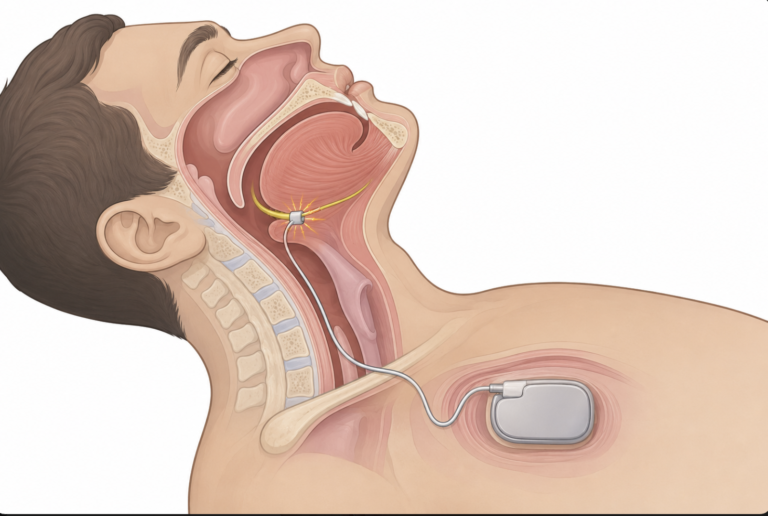
For a decade one company owned the hypoglossal nerve stimulation market. Now two rivals have arrived — just as its own numbers came under question.
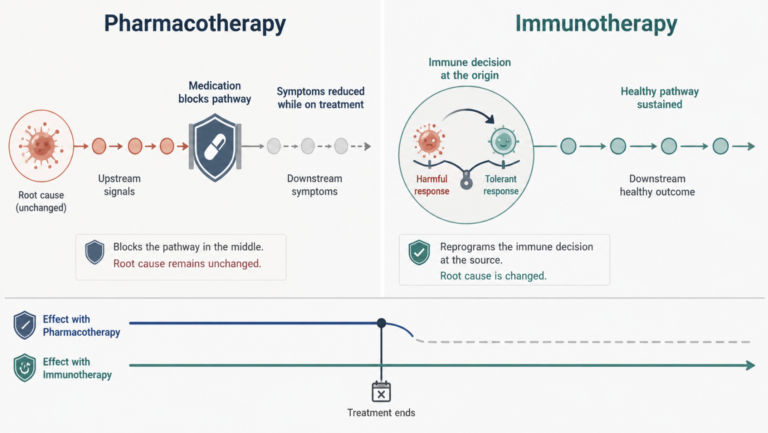
Allergen immunotherapy for allergic rhinitis changes the disease rather than the symptom. Fewer than one patient in ten completes the three years it requires. The gap is worth examining.

Small-cap biotech investing fails most people for structural reasons, not for lack of discipline. Value arrives in blocks on scheduled dates, funding arrives through dilution, and the probabilities underneath every valuation model are contested by a factor of two.

It began as a £1 pandemic favour and grew into a £330 million contract. Between the two, Palantir became embedded in the plumbing of the NHS — and a question the health service still cannot answer cleanly took hold: did the platform actually work, and at what cost to trust?

Why do older adults end up on so many medications? Polypharmacy in older adults is less a prescribing failure than a byproduct of medical success — and the fix is a smarter system, not simply fewer pills.
A practicing ENT explains the medications that cause dizziness in older adults — and the ringing ears, hearing loss, nosebleeds, and dry mouth that often travel with them