

Biotech R&D Productivity: Was Peter Thiel Right About ‘Random’ Investment?
Peter Thiel called biotech investment random and wasteful. A decade of biotech R&D productivity data tests whether he was right.
Peter Thiel called biotech investment random and wasteful. A decade of biotech R&D productivity data tests whether he was right.
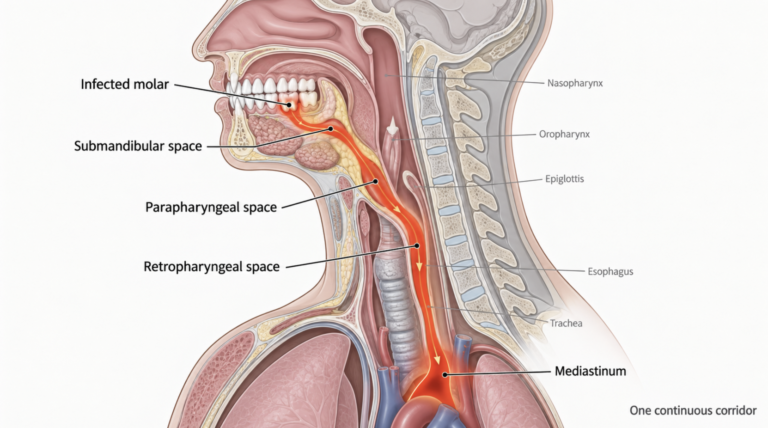
Among 66 adults admitted with deep neck space infections at a Rwandan teaching hospital, the average duration of symptoms before

OpenEvidence has become the AI tool American doctors reach for first. It makes evidence-based medicine faster; whether it makes it better is still unproven.
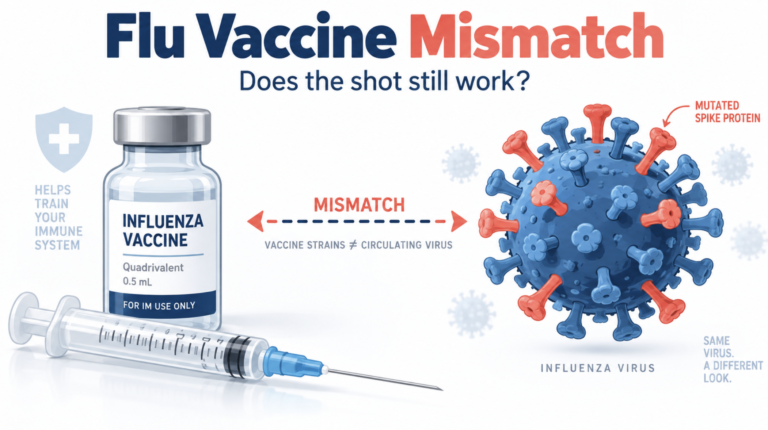
Why does flu vaccine mismatch happen, and is the shot still worth it? A look at how strains are chosen, the egg problem, and what the data show about protection and spread.
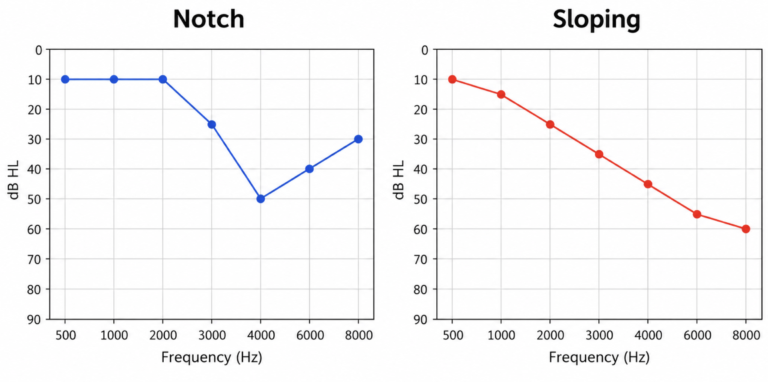
The 4 kHz notch is taught as the signature of noise-induced hearing loss. Its physics is incomplete and age erases it.
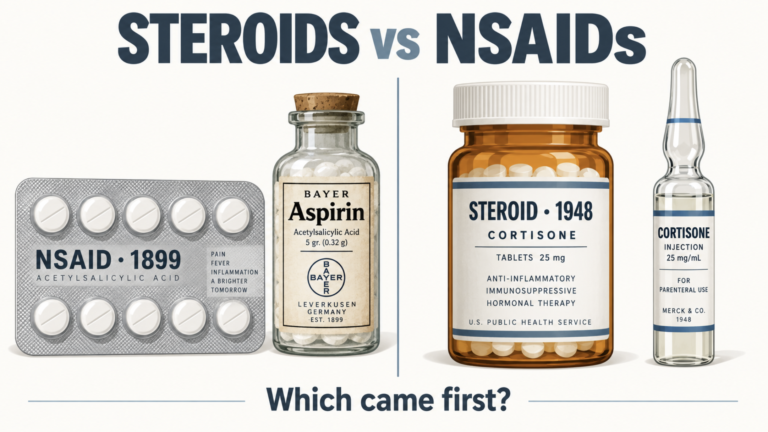
Steroids vs NSAIDs is usually framed as a safety question. It is really a naming question — and the answer runs from a Mayo Clinic ward in 1948 to a Boots lab in 1953.
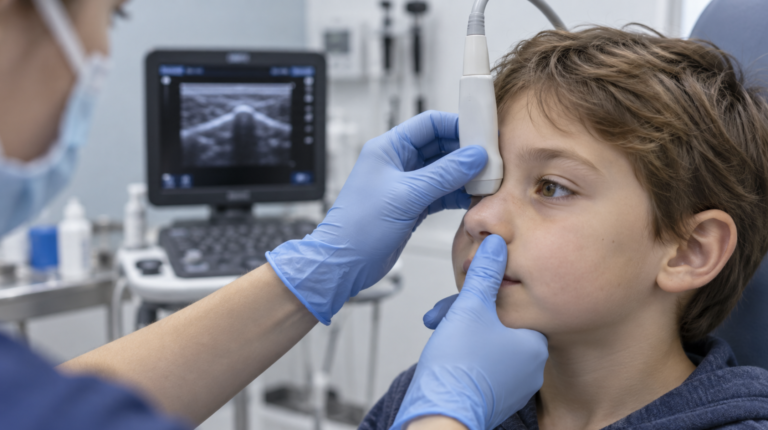
Ultrasound for nasal bone fracture is usually pitched as a CT substitute. The stronger evidence points elsewhere — to replacing the nasal X-ray, to repeat scanning in children, and to guiding the reduction itself.
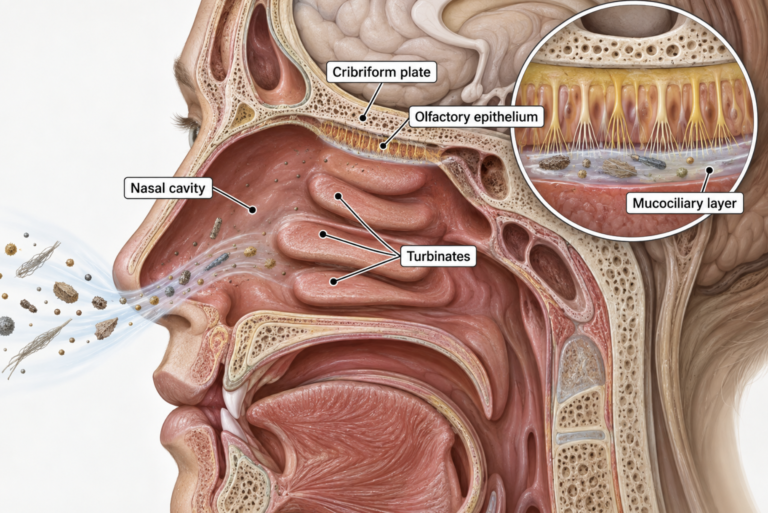
Microplastics in the upper airway have been found in nasal fluid, the thyroid, and the olfactory bulb. An ENT surgeon separates what is confirmed from what is still guesswork.
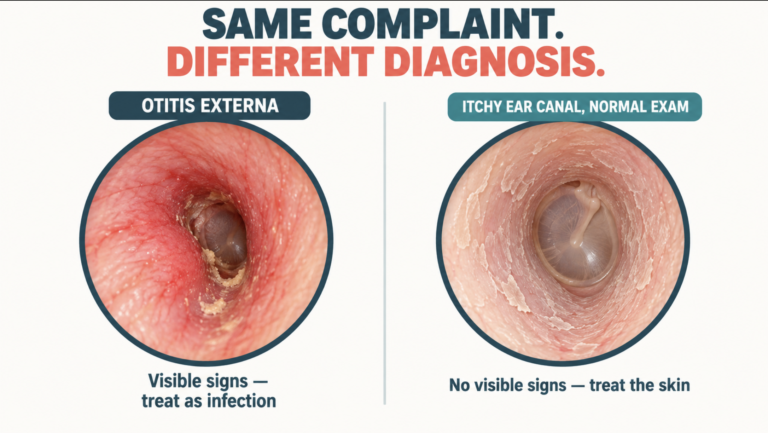
Otitis externa is supposed to be diagnosed by what a clinician sees, not only by what a patient feels. So what happens when an itchy ear canal looks completely normal under the otoscope? A look at the diagnostic criteria, the real risk factors, and the label that gets used when nothing else fits.
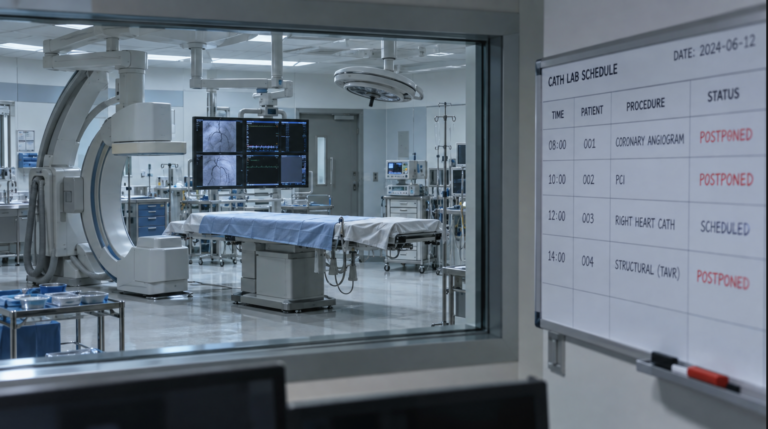
Boston Scientific’s August 2026 medical device cyberattack compromised no implanted device, yet still reached operating rooms. Three mechanisms explain how — and why our measurement systems cannot see any of them.