Cough That Won’t Go Away After a Cold? Here’s Why
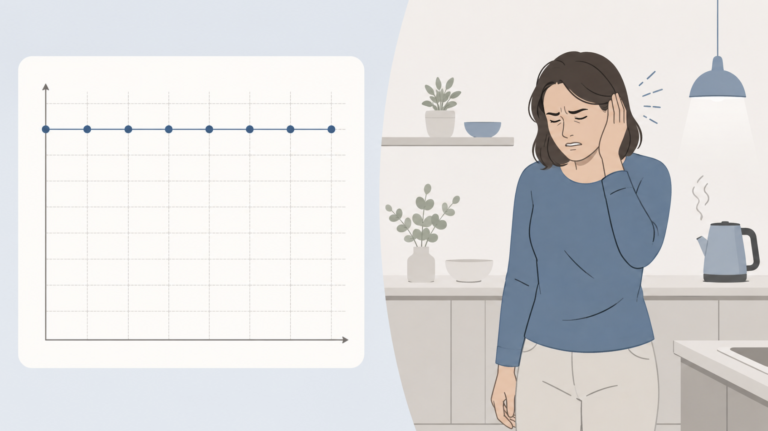
Still coughing weeks after the cold cleared? A cough that won’t go away after a cold is common—and usually harmless. Here’s what the evidence says about why it lingers and what actually helps.
Is hyperbaric oxygen for sudden hearing loss a real treatment or false hope? An ENT breaks down the guidelines, the timing window, and the evidence
Shingles is far more than a rash. An otolaryngologist unpacks the link between the shingles vaccine and hearing loss, sorting randomized-trial proof from the dementia and stroke hypotheses.
Apple Watch sleep apnea accuracy is widely misunderstood. Here is how the feature works, where it fits beside a sleep study, and how to read its alerts.
Allergies look like a design flaw — so why hasn’t evolution removed them? An ENT walks through the parasite and toxin hypotheses, then answers five practical questions on heredity and asthma.
A common virus is now a leading cause of oropharyngeal cancer in many countries — and most patients are men. Here’s how HPV oropharyngeal cancer spreads, why it’s diagnosed late but survives well, and why vaccinating boys matters.
The future of clinical decision support is shifting from guideline lookup to patient-specific modeling. A clinician’s guide to the four AI paradigms — ontology, trajectory, simulation, and knowledge graph — racing to replace the textbook.
Parents hear about a “language critical period” as a window that closes if missed. The science is more reassuring than that, and more specific. Here’s what actually helps your baby learn language during these formative years — and one medical issue an ENT physician thinks parents should rule out before assuming “late talker.”
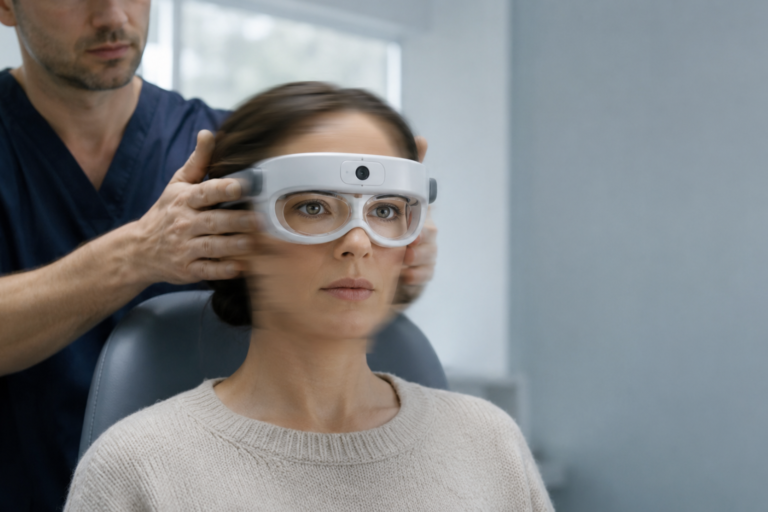
Motion sickness aftereffects — the lingering dizziness once the ride ends — have a clear neurological explanation. Here’s how long they should last, whether you can train your way out of them, and what the evidence says about medications during and after the ride.
The link between olfaction, memory, and emotion runs deeper than any other sense. An ENT physician explains the neuroscience — and what smell loss can signal clinically.