
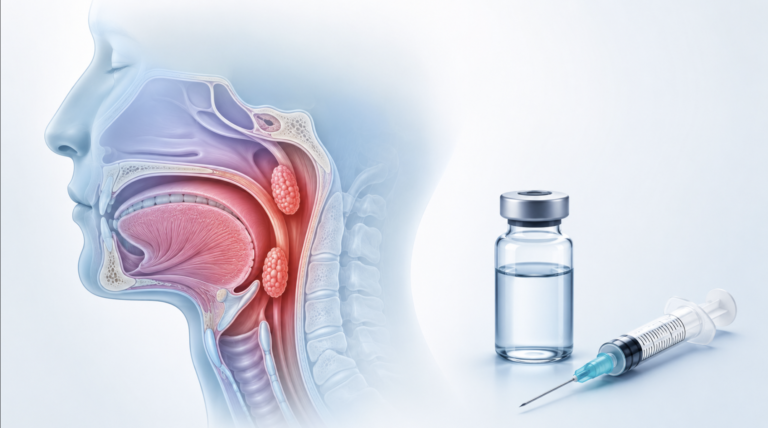
HPV Vaccine and Throat Cancer: An Adult’s Guide
A practical guide to the HPV vaccine and throat cancer for adults — what the shot actually prevents, who still benefits after exposure, and why there is no screening test.
A practical guide to the HPV vaccine and throat cancer for adults — what the shot actually prevents, who still benefits after exposure, and why there is no screening test.
A practicing ENT explains the medications that cause dizziness in older adults — and the ringing ears, hearing loss, nosebleeds, and dry mouth that often travel with them
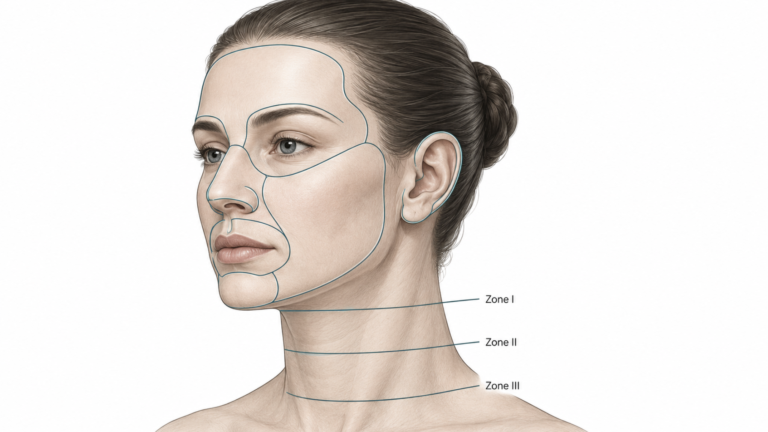
A practical, site-by-site walkthrough of facial and neck lacerations — the deep structures to clear before you suture, and when a neck wound stops being a wound and becomes an emergency.

Not every runny, blocked nose is an allergy. This clinician’s guide to allergic vs nonallergic rhinitis covers how to tell them apart, the nonallergic subtypes and their prognosis, and what current treatment guidelines recommend for each.
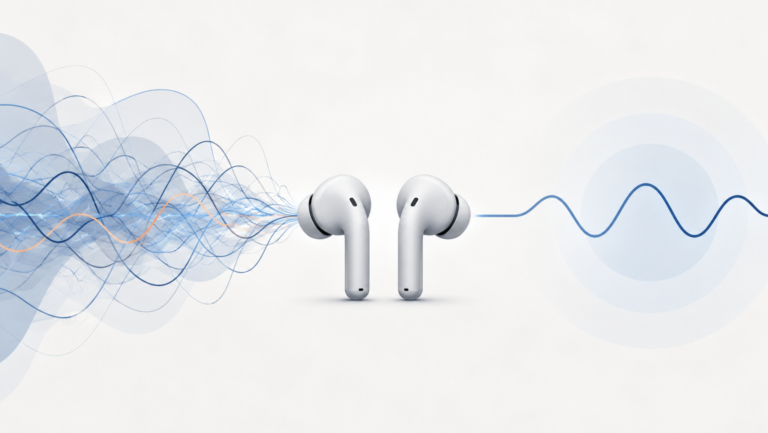
The earbud feature everyone is discussing is live translation. The quieter capability beneath it — AI speech clarification, or making same-language speech intelligible for people who hear sound but miss words — matters more. The clinical evidence is encouraging and narrow: AI does not restore lost hearing, but it can make residual hearing more usable.
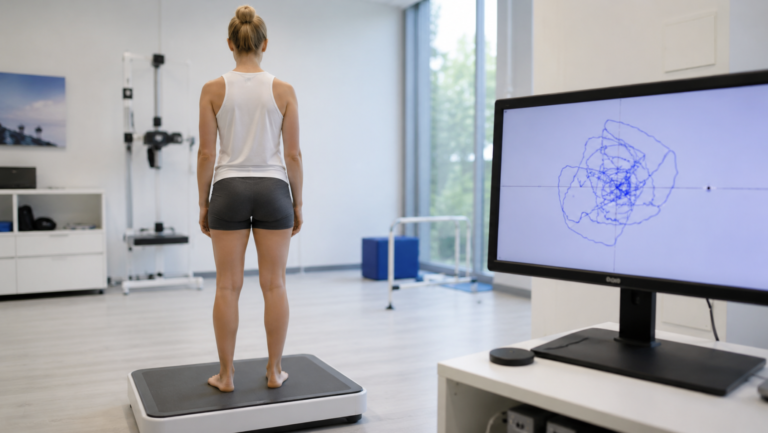
Computerized stabilometry turns the tiny sway of standing still into objective numbers — here is how the force-plate test works and when it adds what caloric and VNG testing cannot.
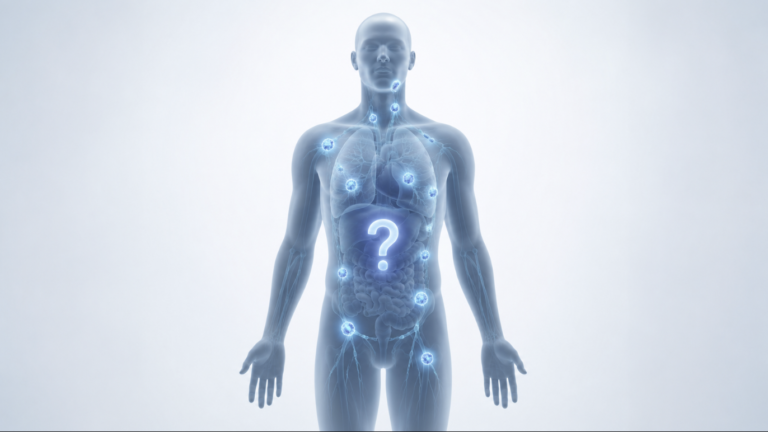
A practical guide to cancer of unknown primary — why the origin so often stays hidden, what the prognosis actually depends on, and how an ENT traces a neck lump back to its source.

Not all child snoring is the same. Here’s how to tell when child snoring is not normal — the age-by-age warning signs from infancy to adolescence

Can AI de-escalation in HPV throat cancer show which patients safely need less treatment? A 2026 NCDB study trained survival models to find out — with limits.

Vestibular neuritis brings on sudden, day-long vertigo with no hearing loss — and the first job is making sure it isn’t a stroke. Here’s what causes it, how it’s diagnosed, and what recovery realistically looks like.